


The Upload
Your blog feed for digital manufacturing resources, in-depth features, and industry news.
Archive posts categorized 'Tech Tips'. Return to blog home.
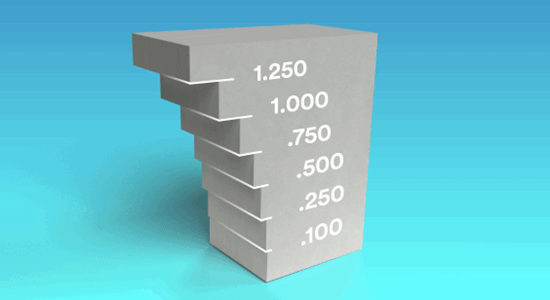
Avoiding Scary Bad Designs: 12 Things Not to Do
Posted On October 26, 2022 By Protolabs
Examine these 12 common mistakes to help avoid disastrous issues with your parts
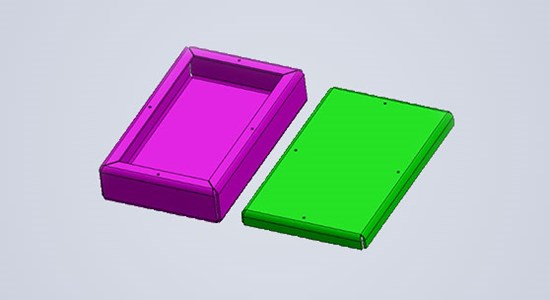
Working with Sheet Metal Tolerances
Posted On October 12, 2022 By Protolabs
Precision in sheet metal parts is possible, but it takes knowing some important design guidelines to get the parts you want. Fundamental to that is understanding tolerance.
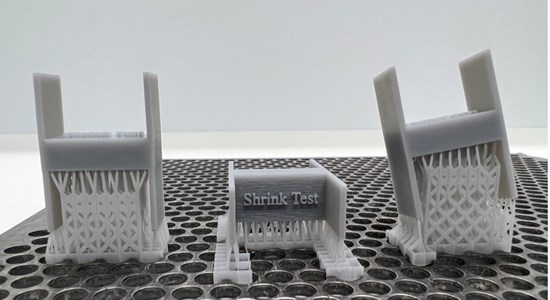
3D Printing Part Orientation: How it Impacts Strength, Accuracy, and Surface Finish
Posted On October 4, 2022 By Protolabs
Part orientation is an important but often overlooked design requirement of 3D printing, especially for stereolithography (SLA). Let’s examine the factors that should be considered.

Avoiding Flow Lines in Molded Parts
Posted On September 22, 2022 By Protolabs
For most molded parts, visible flow lines are undesirable. The good news is there are ways to avoid them, both in design and the way that the parts are manufactured.

Designing Sheet Metal Notches and Tabs
Posted On September 13, 2022 By Protolabs
Notches and tabs are two sheet metal design strategies that can help you in more ways than you might initially think. Designing them properly is key.
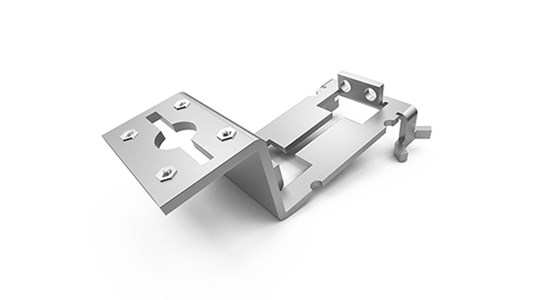
How and When to Add Bend Reliefs to Sheet Metal Parts
Posted On August 15, 2022 By Protolabs
We often see designs come to us that don’t include bend relief. To ensure that we can successfully create your part, we add relief to your design.

Selecting a Manufacturing Method for Electronic Enclosures
Posted On August 1, 2022 By NATIONAL PRINGTING CORP
Despite their widely varying applications, many electronic devices have at least one thing in common—the circuit boards and other components that make them work are all in an enclosure.

Optimizing Sheet Metal Technical Data for Fast, Accurate Quotes
Posted On July 6, 2022 By Jamie White,Scott Trecartin
When it comes to getting a fabricated sheet metal part that is consistent with a complex set of technical requirements, ensuring that a supplier has all the necessary information to generate an accurate quote is the first (and most important) hurdle to cross.
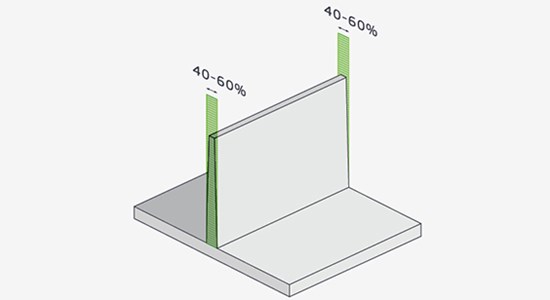
Thin Wall Injection Molding Tips and Considerations
Posted On June 8, 2022 By Protolabs
Thin walls in injection-molded parts can present a variety of issues. Dive into these considerations to ensure optimal part molding and performance.
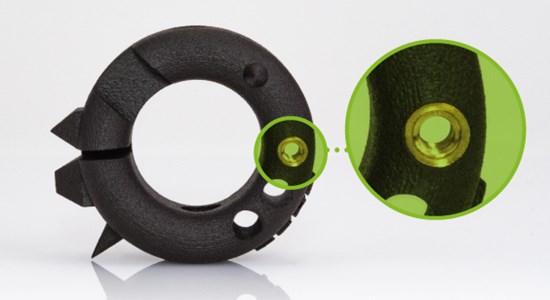
Tips for Threading and Adding Inserts in 3D Printing
Posted On May 20, 2022 By Rachel Hunt
There’s one fundamental thing you need to know about threading and assembling inserts into 3D-printed parts: What you can and can’t manufacture depends on the material properties of both the part and the insert. A second thing to keep in mind: It pays to design for standard taps and inserts whenever possible.