


The Upload
Your blog feed for digital manufacturing resources, in-depth features, and industry news.
YouTube Maker Brings Assassin’s Creed Blade to Life with Digital Manufacturing
Posted On September 16, 2022 By Protolabs
Jairus of All recreated the Hidden Blade from the popular video game series Assassin’s Creed with help from quick-turn machining at Protolabs.

Designing Sheet Metal Notches and Tabs
Posted On September 13, 2022 By Protolabs
Notches and tabs are two sheet metal design strategies that can help you in more ways than you might initially think. Designing them properly is key.
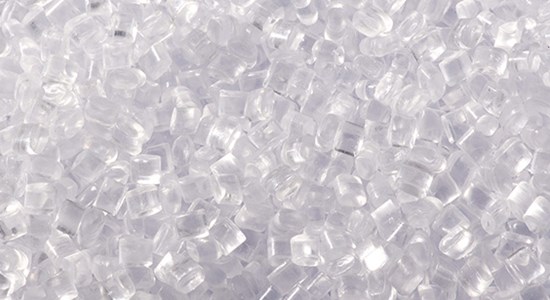
Translucent and Clear Plastic Injection-Molded Parts
Posted On September 7, 2022 By Protolabs
Choosing the best translucent material for your molded parts isn’t always crystal clear. There are quite a few things to think about before making your final choice of materials and design.
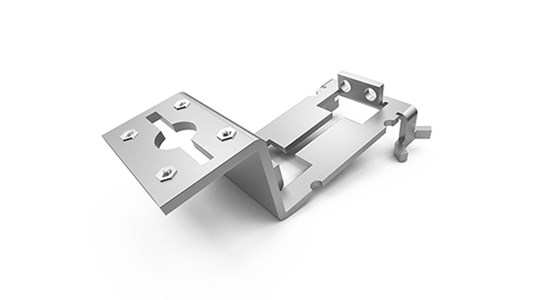
How and When to Add Bend Reliefs to Sheet Metal Parts
Posted On August 15, 2022 By Protolabs
We often see designs come to us that don’t include bend relief. To ensure that we can successfully create your part, we add relief to your design.
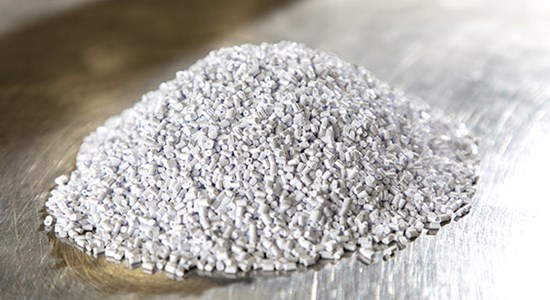
The Advantages and Disadvantages of Glass-Filled Nylon
Posted On August 15, 2022 By Protolabs
Making nylon parts stronger isn’t difficult. All it takes is the addition of glass to your base material. Explore the pros and cons of glass-filled nylon.

Onshoring Supply Chains Help Relieve Supply Pains
Posted On August 9, 2022 By Rob Young
You know about black swan events: those unpredictable forces that can lead to potentially devastating consequences. They’ve been swooping in with disturbing regularity. Past trade wars with and tariffs on China. The lingering pandemic. The stuck container ship blocking the Suez Canal. Clogged ports. Container shortages. Trucker shortages. Geopolitical uncertainty including Russia’s invasion of Ukraine. Surging inflation. Ongoing natural disasters and climate-change factors.
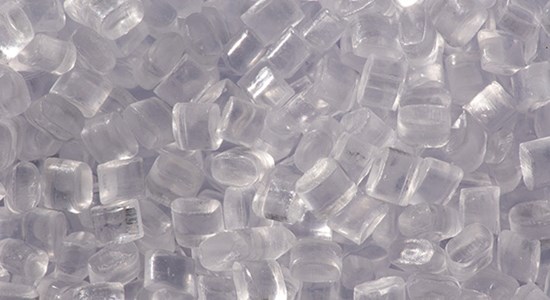
ABS vs. PC: Comparing Two Common Thermoplastics
Posted On August 4, 2022 By Protolabs
Choosing to use ABS, polycarbonate (PC), or combining them is a popular way to get strong machined, printed, or molded parts. There are a lot of similarities, but also some significant differences that might help you find just the right one for your parts.
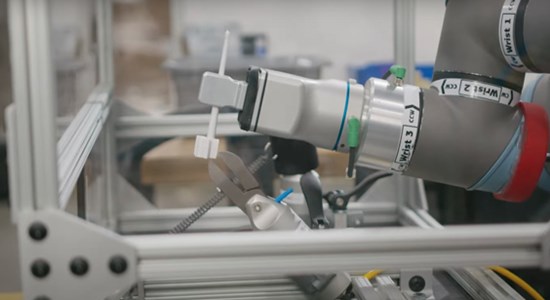
Decoding Fourth Industrial Revolution Buzzwords
Posted On August 4, 2022 By Protolabs
Industry 4.0. is unfolding in real time and the conversation on digitization, automation, and the present and future state of manufacturing is generating quite a buzz. Let’s unpack some common buzzwords we hear on the subject and how they relate to digital manufacturing.
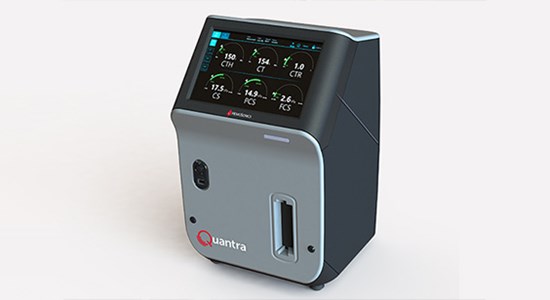
Selecting a Manufacturing Method for Electronic Enclosures
Posted On August 1, 2022 By NATIONAL PRINGTING CORP
Despite their widely varying applications, many electronic devices have at least one thing in common—the circuit boards and other components that make them work are all in an enclosure.
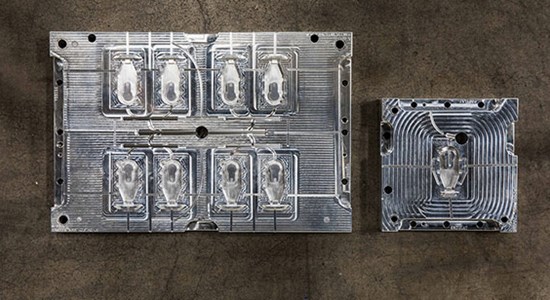
Estimating Mold Cost and Eliminating Cost Drivers in Injection Molding
Posted On July 20, 2022 By Rob Young
When comparing potential manufacturing processes against criteria like price and lead-time, there are many things to keep in mind. Different processes require different processing times, different types of materials, and most likely, different part design requirements and considerations. Today, we’re going to cover part design cost drivers.